
MEET THOSE OF US WHO CARE FOR PEOPLE WHO USE SUBSTANCES
In 2024, the KFL&A Community Drug Strategy received additional funding to address substance use stigma in healthcare settings. The KFL&A Community Drug Strategy partnered with Kingston Health Sciences Centre to hear from local healthcare and service providers about how to make kindness actionable in healthcare settings.
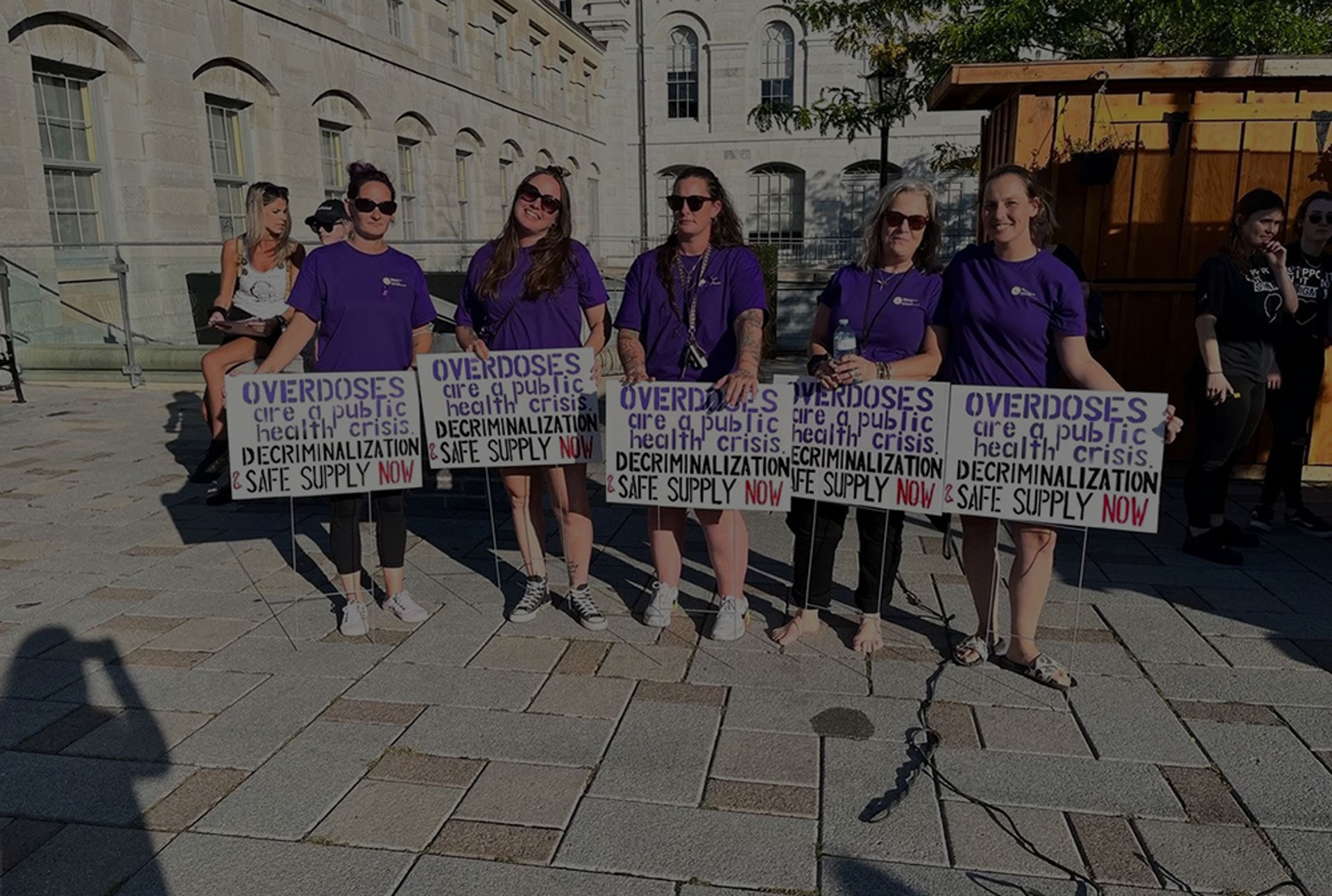
In 2026, the KFL&A Community Drug Strategy partnered with Support Not Stigma and Kingston Health Sciences Centre to understand how to enact kindness in care.
Dr. Newman
Dr. Adam Newman identifies as an Addictions Medicine Specialist and Person with Lived Experience of Substance Use. He is a member of the substance treatment and rehabilitation team at Kingston Health Sciences Center. He is also a physician at Addiction and Mental Health Services, providing consultation for community counsellors and therapists who have clients with addiction.
When Dr. Newman first began working with People Who Use Substances, he held assumptions about what those encounters would be like. As he listened, learned, and offered care without judgment, those assumptions began to shift. He saw people asking for the help he could offer. Many patients shared that it was the first time they felt truly accepted and cared for. Over time, Dr. Newman has come to deeply respect their resilience and recognized that kindness can transform healthcare experiences.
76% of Canadians use drugs or alcohol for a variety of reasons, including to cope with a variety of challenges.1
One way Dr Newman provides kinder care is to ask ourselves: “What could we all be doing better to decrease the amount of discomfort and pain that people experience? Not just to help people with addiction, but to help all of us. That way people who are prone to addiction would not have as severe an addiction or not turn to addiction in the first place.”
Find out how you can enact kindness in care for people impacted by substance use.
Khayman
Khayman Wood is an Addictions Care Navigator at Kingston Health Sciences Center.
Khayman has a long history of supporting People Who Use Substances. His learning began in harm reduction, working in safe injection sites and shelters, where he took time to understand the people behind the stories. While in a hospital setting, he focuses on providing kinder care: meeting people where they are, respecting what being well means to them, and balancing the risks and harms of substance use. He’s learned that basic empathy means being present, authentic and showing up without judgment. Building trust is the first step toward healing. Every person has a story, and kindness means seeing each one with authenticity and care, whether in a brief or longer moment.
For Khayman, “Kindness doesn’t cost anything; it’s about giving time, being compassionate, and understanding the challenges someone is facing.”
Find out how you can enact kindness in care for people impacted by substance use.
Chris
Chris is a Harm Reduction Worker and Person with Lived and Living Experience of Substance Use.
There was a time when Chris viewed others through the lens of stigma. Today, his lived experience with substance use enriches the care and advocacy he offers to others seeking support for their substance use. Working in harm reduction, Chris sees connection, community, and understanding as key antidotes to stigma. He believes kindness in care means taking time to listen, understand, and meet people where they are. People don’t choose their circumstances—and those who use substances are resilient individuals navigating life’s challenges, just like everyone else.
For Chris, kindness means community. Healing happens when people share stories, support each other, and rebuild connections.
Find out how you can enact kindness in care for people impacted by substance use.